
Pursuing medicine is one of the most respected and ambitious career choices for students. With…
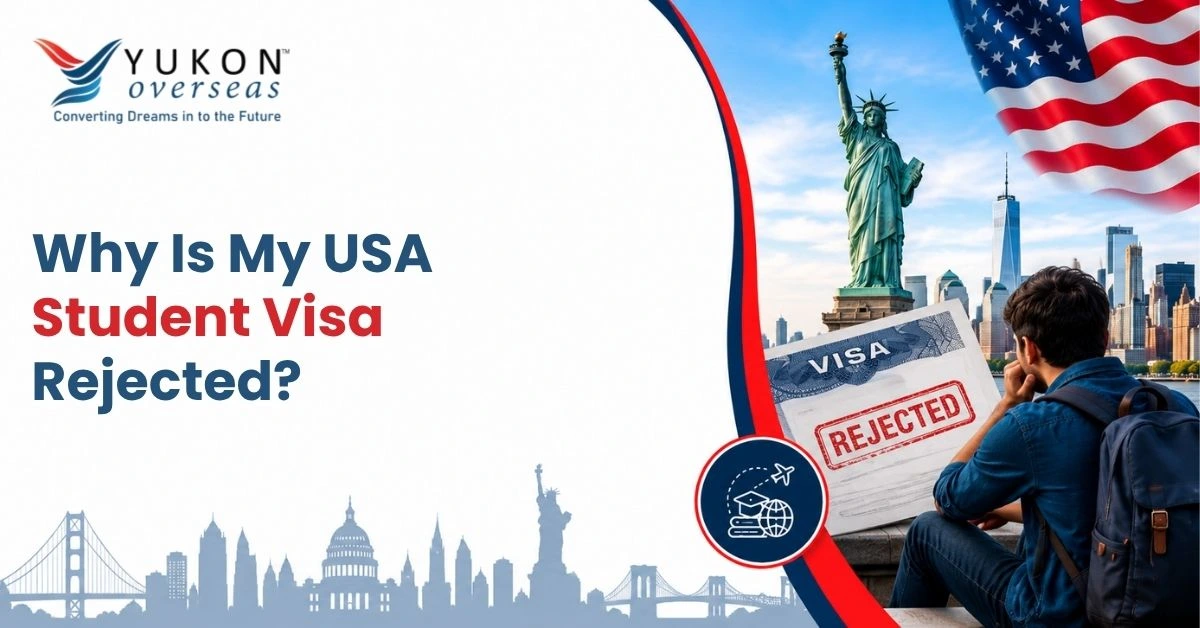
Getting a USA student visa rejected can be frustrating, especially after investing time and money in university applications, documentation, and interview preparation. However, a visa refusal does not always mean you cannot study in the United States. Understanding why your student visa was refused can help you identify weaknesses and prepare more effectively for a future application.
Common Reasons for USA Student Visa Rejection
There is no single reason why a student visa application may be refused. Consular officers consider several aspects of your application, including your academic plans, financial situation, interview responses, and eligibility for the requested visa category.
1. Unable to Demonstrate Genuine Study Plans
A clear academic plan is important when applying for a student visa. You should be able to explain why you selected a particular course, university, and study destination, and how the program fits into your overall academic and career plans.
Unclear answers about your program, future plans, or reasons for choosing the USA can create concerns during a student visa interview. Students should therefore understand their course, university, and intended career direction before appearing for the interview.
2. Weak Financial Evidence
Another common reason for student visa refusal is insufficient or unclear financial documentation. Applicants should have a realistic plan for covering tuition, living expenses, and other education-related costs.
When applying for a student visa, inconsistencies between financial documents and your interview responses can raise questions. Your funding sources, financial documents, and explanation of how your education will be financed should therefore be clear and consistent.
3. Poor Performance During the Visa Interview
Another common F1 visa rejection reason is insufficient or unclear financial documentation. Strong financial preparation is an important part of the Student Visa process because students need to demonstrate how their education and living expenses will be funded.
Students should have a realistic plan to cover tuition, living expenses, and other education-related costs when applying for a Student Visa. Inconsistencies between your financial documents and what you explain during the interview can raise questions about your ability to fund your studies.
4. Concerns About Your Intentions
The USA student visa interview is an important part of the application process. Giving memorised answers, providing unnecessarily long explanations, avoiding direct responses, or appearing uncertain about basic details can affect the overall impression of your application.
Having a clear explanation of your educational and professional goals is therefore important when preparing for your Student Visa interview. Your responses should demonstrate that you understand why you selected your program and how it fits into your plans.
5. Inconsistencies in Your Application
Differences between your academic records, application forms, financial information, and interview answers can create concerns.
Before your Student Visa interview, review your application carefully so that you understand the information you have provided and can explain it accurately. Your documents and interview responses should present a clear and consistent picture of your academic plans.
6. Academic Profile Does Not Match the Chosen Program
Your selected course should make sense considering your previous education and career goals. A sudden or poorly explained change in academic direction may require a clear explanation during the interview.
When preparing for a Student Visa application, be ready to explain why the chosen course is relevant to your previous studies and future career. A logical academic progression can make your study plans easier to communicate.
Planning to Study in USA? Contact Us today to get expert guidance on university selection, admission requirements, documentation, and student visa interview preparation
What Does a 214(b) Refusal Mean?
Many applicants associate an F1 visa rejection with Section 214(b). In general, this refusal provision concerns the applicant not sufficiently establishing eligibility for the requested nonimmigrant visa classification, including the presumption of immigrant intent applicable to many nonimmigrant applicants.
A 214(b) refusal does not permanently prevent you from applying again for a Student Visa. However, simply submitting the same application again without addressing the issues that affected the earlier decision may not improve the outcome.
Can I Reapply After USA Student Visa Rejection?
Yes, a student can generally apply again after a refusal, provided they remain eligible and follow the required application process for a Student Visa. A previous refusal does not automatically determine the outcome of a future application.
Before reapplying, identify what may have weakened your previous application. Review your academic plans, finances, supporting documents, and interview preparation. Your new application should accurately reflect your circumstances and address relevant concerns rather than simply repeating the previous submission.
How to Avoid Student Visa Rejection?
Preparation can make your application stronger. Start by understanding your university, course, funding plan, and future career objectives. Keep your documents consistent and prepare for questions about your education, financial arrangements, university choice, and reasons for studying in the USA.
Most importantly, do not rely on scripted answers. A strong student visa interview should reflect your actual background, plans, and intentions.
Frequently Asked Questions
A visa may be refused for various reasons, including concerns about eligibility, study plans, finances, application inconsistencies, or the information presented during the interview.
A refusal does not necessarily prevent you from applying again. You should first understand the circumstances of the refusal and prepare a stronger, accurate application.
No. A 214(b) refusal is not a permanent ban on future applications. However, a later application should demonstrate eligibility based on your circumstances at that time.
Unclear or insufficient financial evidence can create concerns about how your education and living expenses will be funded.
Understand your course, university, funding arrangements, academic background, and career plans. Answer questions honestly, directly, and confidently rather than memorising scripted responses.
Conclusion
A USA student visa rejection can be disappointing, but it can also highlight areas that need better preparation. Understanding the reasons behind an F1 visa rejection, correcting inconsistencies, strengthening your documentation, and preparing properly for the interview can help you approach your next Student Visa application more confidently.
Related Posts