
Choosing the right country for medical education is an important decision for Indian students planning…
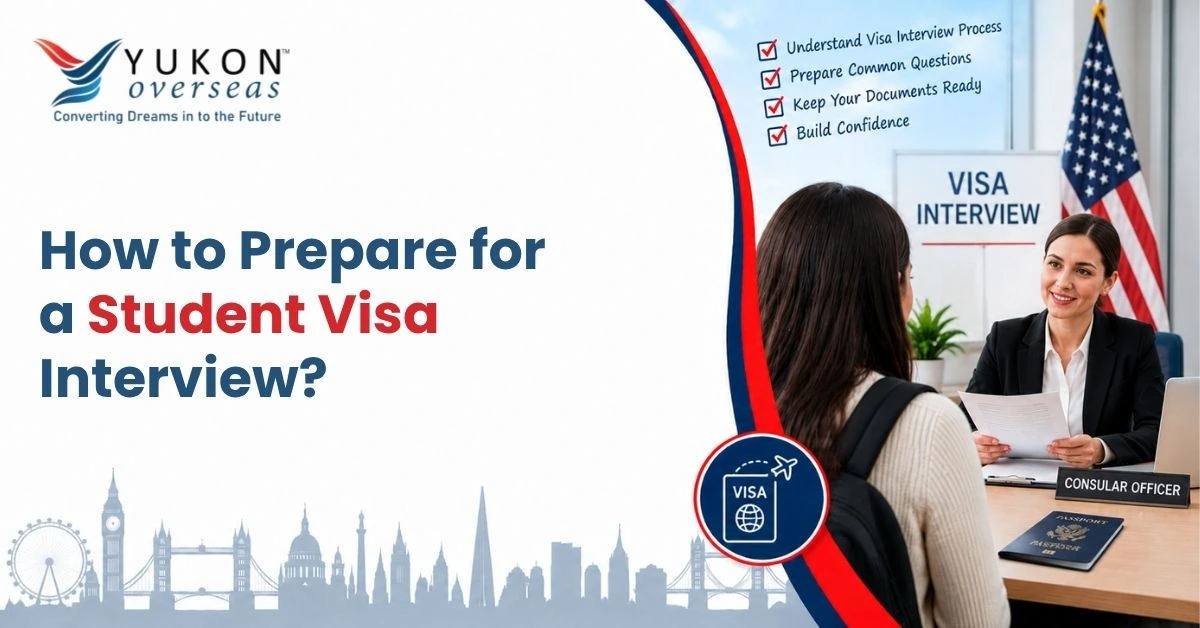
A Student Visa interview is an opportunity for the visa officer to understand your academic purpose, financial readiness, and overall plans for studying abroad. Since these interviews can be brief, students need to communicate their information clearly rather than rely on lengthy explanations.
Good preparation means understanding your application, knowing your course and institution, being familiar with your finances, organising your documents, and practising how you communicate your answers. The aim is not to memorise a script but to respond naturally and consistently.
7 Essential Tips to Prepare for a Student Visa Interview
1. Understand the Core Criteria
Before your Student Visa interview, understand the main areas the visa officer is likely to assess. These can include whether you are a genuine student, whether you have adequate financial support, and whether your plans are consistent with the conditions of the visa.
You should be able to clearly explain your purpose of study, why you selected the destination, and how the chosen program fits into your academic and career plans.
2. Organise Your Documents
Proper document preparation is essential for a Student Visa interview. Keep your original documents and supporting evidence arranged in a clear, systematic folder so you can present them promptly if requested.
Depending on your destination and visa category, your documents may include:
- Valid passport
- University or college admission letter
- Visa application documents
- Academic transcripts and certificates
- Financial support documents
- Scholarship or education loan documents
- Required language test results
- Other destination-specific supporting documents
Check the information carefully before your Student Visa appointment. Names, dates, course details, financial information, and other important details should be consistent across your documents and application.
3. Know Your Academic Plan
A visa officer may ask detailed questions about your educational decision, so understanding your academic plan is an important Student Visa preparation step.
Be ready to explain:
- Why you chose your course
- Why you selected your institution
- Why you chose the particular destination
- How the program connects with your previous studies
- How the course supports your future career goals
Avoid memorising a speech. Instead, understand your reasons well enough to explain them naturally when the questions are asked in different ways.
4. Prepare Your Financial Proof
Financial readiness is a key part of Student Visa interview preparation. You should know the tuition and living expenses associated with your education and be able to explain how those costs will be covered.
Understand who is sponsoring your education, what they do, their source of income, and how much funding is available through savings, scholarships, or education loans. Your answers should correspond with the financial documents submitted with your application.
A useful preparation exercise is to review your total expected cost and make sure you can explain the major figures without hesitation.
5. Be Prepared to Explain Your Future Plans
Your future plans can be an important area of discussion during a Student Visa interview. You should be able to explain what you plan to do after completing your education and how the qualification fits into your longer-term career objectives.
Think through your professional goals before the interview rather than preparing a generic response. Your explanation should be consistent with your previous education, chosen program, and overall application.
Planning to Study Abroad? Contact Us today to get expert guidance on university selection, admission requirements, documentation, and Student Visa interview preparation.
6. Practise Your Communication
Regular practice can make your Student Visa interview responses clearer and more natural. Ask someone to conduct a mock interview and practise answering unexpected questions instead of following a fixed list.
Keep your responses concise, direct, and honest. For destinations where the interview is conducted in English, practise conversational English so you can explain your academic and financial plans comfortably.
Most importantly, speak for yourself. Your answers should reflect your own background, decisions, and plans rather than responses prepared entirely by someone else.
7. Dress Professionally
Your appearance is also part of preparing for a Student Visa interview. Choose clean, comfortable, formal, or business-professional clothing that is appropriate for a formal appointment.
Keep accessories, jewellery, and strong fragrances to a minimum so that your overall presentation remains simple and professional. The focus should stay on your communication and the information you provide.
How to Practise Before Your Student Visa Interview?
Practising common Student Visa questions can help you become more comfortable with the interview format. Focus on the key areas rather than trying to predict every question.
| Question Area | What to Practise |
| Academic Purpose | Course choice, institution, destination, previous education |
| Financial Plan | Sponsor, income, tuition, living costs, savings or loans |
| Future Plans | Career goals and plans after completing studies |
| Application Details | Information provided in your visa application and supporting documents |
During practice, ask questions in different ways. This helps you develop flexible answers instead of depending on memorised sentences.
Mistakes to Avoid in a Student Visa Interview
Even well-prepared applicants can make avoidable mistakes. During your Student Visa interview, avoid giving robotic answers, contradicting your documents, providing information you do not know, speaking excessively, or hiding relevant details.
Do not attempt to make your background sound different from reality. Accuracy and consistency are more important than trying to give an impressive answer.
What to Remember on Interview Day?
On the day of your Student Visa interview, keep your documents organised, arrive prepared, and remain calm. Listen carefully to each question before answering and speak clearly at a comfortable pace.
You do not need to give a long answer to every question. Respond directly, provide the information requested, and remain truthful throughout the conversation.
Frequently Asked Questions
Understand your academic plan, organise your documents, prepare your financial information, review your future goals, and practise answering questions clearly and naturally.
No. It is better to understand the key points about your course, institution, finances, and future plans and explain them in your own words.
Know your tuition and living expenses, who is funding your education, the sponsor’s occupation and source of income, and details of available savings, scholarships, or education loans.
Conduct mock interviews with someone who can ask questions unexpectedly. Practise giving concise, direct answers and speaking naturally rather than reading prepared responses.
Wear clean, comfortable, formal, or business-professional clothing. Keep accessories and strong fragrances to a minimum and maintain a neat appearance.
Conclusion
Preparing for a Student Visa interview is primarily about knowing your application and communicating your plans clearly. Understand the core criteria, organise your documents, know your academic and financial details, prepare for questions about your future plans, practise communication, and present yourself professionally. Most importantly, rely on genuine and consistent information rather than memorised scripts.
Related Posts